
7 Key Benefits of Using a Frequency Converter in Industrial Applications
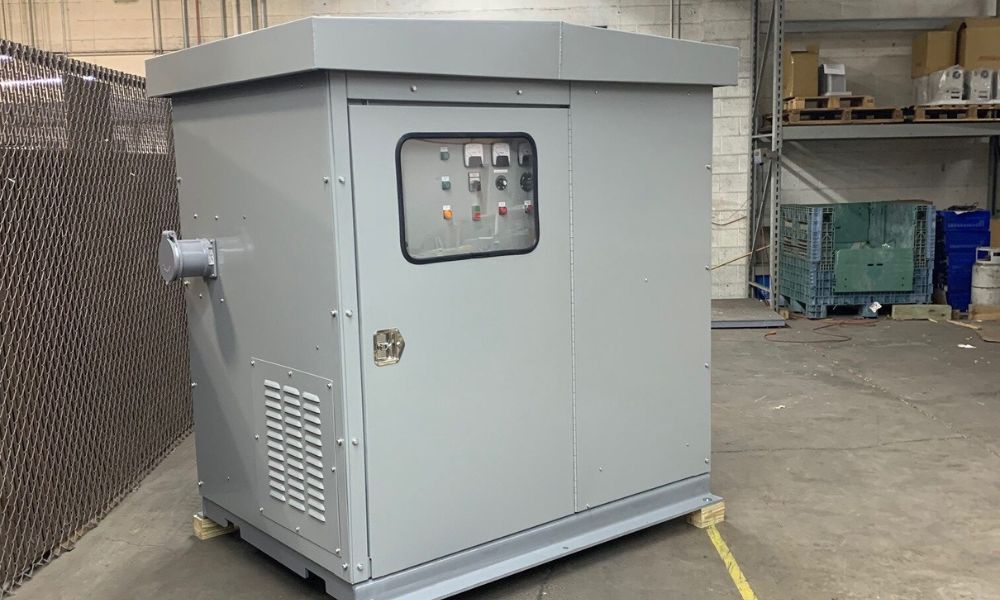
Installing a frequency converter in industrial setups slashes electrical energy consumption while granting absolute control over motor speed and torque. Standard industrial electric motors operating on direct grid power run at fixed speeds, forcing facilities to regulate fluid, air, or material flow through wasteful mechanical throttling mechanisms. Frequency converters, also known as variable frequency drives, convert incoming power to match the precise requirements of the driven load. Optimizing motor output to match operational demand dramatically lowers utility bills, reduces mechanical wear, and elevates production efficiency across your entire plant.
- Substantial Reduction in Energy Costs
Modulating motor speed to match real-time production demands yields immediate energy savings across industrial facilities. Centrifugal pumps, fans, and blowers follow Affinity Laws, meaning power consumption decreases exponentially as motor speed drops. Reducing a fan’s operational speed by just twenty percent cuts its energy consumption by nearly half compared to running continuously at full speed.
Eliminating the need for mechanical dampers, throttling valves, or bypass loops stops energy from being wasted as friction or heat. Utilizing variable speed control ensures your electrical infrastructure draws only the exact wattage required for current manufacturing volumes. Over time, these daily power savings offset the initial capital cost of equipment installation.
- Controlled Acceleration and Reduced Mechanical Stress
Implementing controlled acceleration ramps eliminates the violent mechanical shocks caused by direct-on-line motor starts. Starting an electric motor across full voltage generates instant torque surges and electrical current spikes up to six times higher than normal operating levels. These sudden mechanical spikes stretch drive belts, damage gearboxes, and stress internal motor windings.
Frequency converters ramp motor speed up gradually from zero revolutions per minute, delivering smooth, linear torque increases. Controlled starting prevents high-stress mechanical impacts, preserves shaft alignments, and keeps drive components within design limits. Eliminating sudden torque shock drastically reduces maintenance interventions and prevents unplanned production line stoppages.
- Extended Machinery Lifespan and Lower Maintenance Costs
Decreasing overall operational stress directly extends the working life of heavy industrial machinery. Running motors continuously at maximum speed creates excessive heat, vibration, and component wear that degrade bearings, seals, and insulation long before their expected service end. Adjusting motor speeds to actual load demands lowers thermal stress and mechanical friction across the drive train.
Operating under gentler thermal and mechanical conditions preserves internal lubricants and prevents bearing fatigue. Lower maintenance requirements translate to fewer emergency repairs, lower replacement part inventories, and reduced labor costs. Extending the operational lifespan of major equipment assets optimizes capital expenditure budgets.
- High-Precision Process Control and Quality Consistency
Regulating motor speeds with micro-second accuracy ensures tight compliance with exact manufacturing tolerances. Industrial automation systems depend on consistent flow rates, precise material tensions, and exact conveyor speeds to produce uniform products. Frequency converters respond instantaneously to sensor feedback, making subtle speed adjustments to maintain target operating conditions.
Maintaining steady process conditions eliminates product defects caused by speed fluctuations or sudden pressure surges. In textile manufacturing, paper milling, or high-speed printing, precise speed synchronization prevents web tearing and material stretching. Consistent process control minimizes scrap rates and guarantees high product quality across batch runs.
- Optimized Power Factor and Reduced Electrical Strain
Correcting the electrical power factor at the motor level reduces overall strain on your plant’s electrical distribution network. Inductive electric motors running under partial loads often exhibit poor power factor ratings, causing reactive power losses and triggering utility penalty charges. Frequency converters incorporate DC bus capacitors that present a high displacement power factor to the incoming supply grid.
Improving power factor efficiency frees up electrical capacity across internal transformers, breakers, and distribution cables. Drawing cleaner electrical power prevents voltage sags and protects sensitive electronic controls across your facility. Eliminating utility power factor penalties lowers monthly operational expenses.
- Versatile Operational Flexibility and Reversibility
Enabling seamless multi-speed operation and electronic motor reversal transforms rigid machinery into versatile production systems. Changing production line speeds or switching direction on direct-grid motors requires complex mechanical gearboxes, clutches, or physical contactors that add weight and points of failure. Frequency converters handle dynamic speed adjustments and direction changes electronically without physical wear.
Programming customized speed profiles allows a single production line to handle diverse product specifications without physical retooling. Operators can program slow inspection speeds, fast transport modes, or rapid reversing cycles directly into the drive interface. This operational agility helps facilities adapt quickly to changing customer demands.
- Building a Modern, Efficient Industrial Environment
Integrating a frequency converter into your industrial operations delivers immediate financial and operational returns. Matching motor output directly to real-time process requirements eliminates power waste, lowers utility bills, and optimizes machine reliability. Reducing mechanical shock during startup protects gearboxes, extends bearing life, and minimizes costly production downtime.
Providing high-precision control over speed and torque improves product quality and minimizes scrap rates across automated production lines. Advanced diagnostic capabilities and smooth acceleration curves safeguard your capital investments for years of heavy service. Adopting variable frequency technology equips your facility to operate with maximum efficiency, lower overhead, and outstanding reliability.


