
EMS Lights: Can They Be Used in Personal Vehicles?
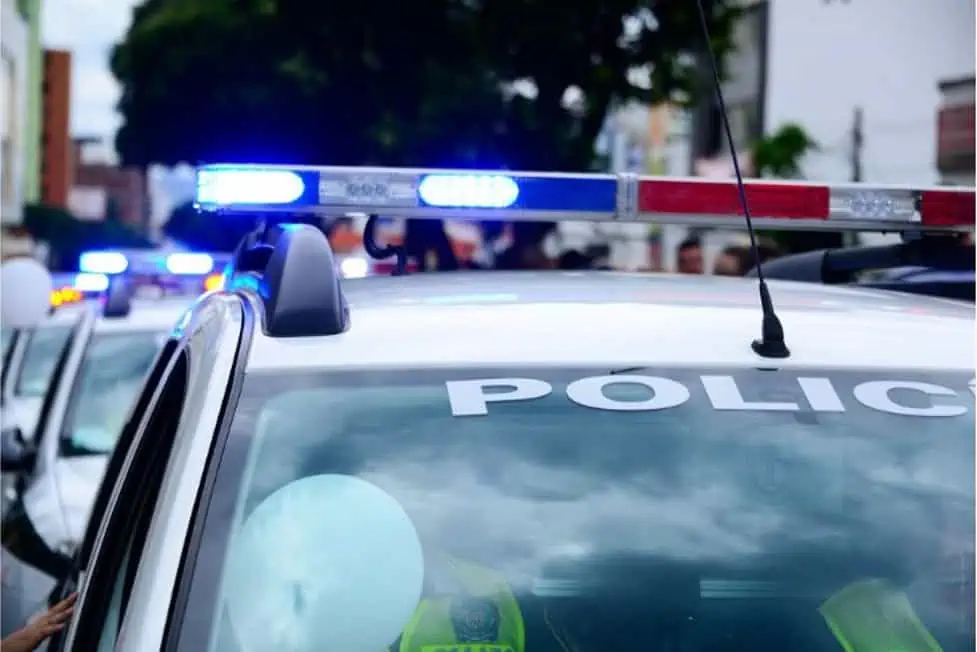
EMS lights and sirens are essential equipment in a vehicle that alert road users to clear the way for ambulances. Similarly, firefighter lights also work as warning lights when an emergency or fire breaks out. It plays a crucial role in safety and saves lives; therefore, EMS professionals use these lights. You often rely on your own car as your first response vehicle. EMS lights for personal vehicle are important for safety, efficiency, and legal compliance. As worries about emergency preparedness and personal safety grow, more people are considering equipping their cars with emergency lighting to improve visibility in dire circumstances.
Can I Equip a Personal Vehicle with an Emergency Light Bar?
Emergency light bars are normally only allowed on authorised emergency response vehicles; therefore, installing and using them on personal vehicles is prohibited in the majority of jurisdictions.
Although the overall response is “no,” it’s important to read on to learn about the legal alternatives available for improving vehicle safety and visibility in emergencies, as well as the particular situations in which emergency lighting may be allowed for civilian usage.
What Are Safe Alternatives for Emergency Lighting Bars?
For personal vehicles, there are a number of DOT-approved lighting alternatives that can improve visibility without breaching the law. Generally, civilians are allowed to use amber or white warning, hazard, and auxiliary driving lights. When there is bad weather or an emergency on the side of the road, these lights can be useful.
Consider adding fog lights, LED light bars intended solely for off-road use, or amber strobe lights for added safety and legal compliance. These alternatives can increase visibility without running the danger of being mistaken for emergency vehicles or facing legal repercussions.
When Is It OK For Civilians To Use Emergency Lighting?
Permits to use emergency lights on personal vehicles are occasionally granted to professionals. Although laws differ by state and jurisdiction, volunteer firemen, emergency medical technicians, and search and rescue workers can qualify for special authorisation. Usually, these permissions call for a lot of paperwork, background checks, and official emergency response organisation membership.
Such licenses typically require direct collaboration with local law enforcement organisations and the presentation of documentation of necessity, such as verification of volunteer or employment status.
Types of Personal Vehicle Firefighter Lights
Volunteer firemen must convert their own cars into efficient emergency response vehicles when called upon. Choosing the appropriate lighting arrangement is an essential component of this makeover. To help you in making an informed choice for your car, let’s examine a few common lighting solutions and balance their benefits and drawbacks.
1. Grille Lights
For personal vehicles, grille lights provide a hidden yet practical solution:
Pros:
- Simple to install without requiring significant changes to the vehicle
- Put strong forward illumination in place.
- When not in use, it can be hidden.
Cons:
- Restricted sight from the side
- The grille may need to be modified.
Consider the front-end design of your car and local laws when thinking about grille lighting. Grille lights can be your best option if you’re searching for a strong forward-facing light that doesn’t drastically change the style of your car. Before making a purchase, don’t forget to confirm compatibility with the model of your car.
Dash Lights
Volunteer firefighters have several options when it comes to dash lights:
Pros:
- Installation that is simple and quick
- No long-term changes to your car
- Transferring between cars is simple.
Cons:
- May slip on the dashboard when making abrupt turns.
- Windscreen glare risks
Dash lights are something to think about if you value adaptability and simplicity. They are perfect for people who want a temporary fix or who change cars a lot.


