
How AI is Shaping Home Automation
How AI is Shaping Home Automation the concept of a smart home has moved from science fiction to everyday reality, thanks to rapid advancements in AI for home automation. This technology is reshaping how we interact with our living spaces, offering convenience, efficiency, and enhanced security. As we approach 2025, the impact of artificial intelligence on home automation will only grow, transforming homes into fully integrated, intelligent systems that anticipate our needs and simplify daily tasks.
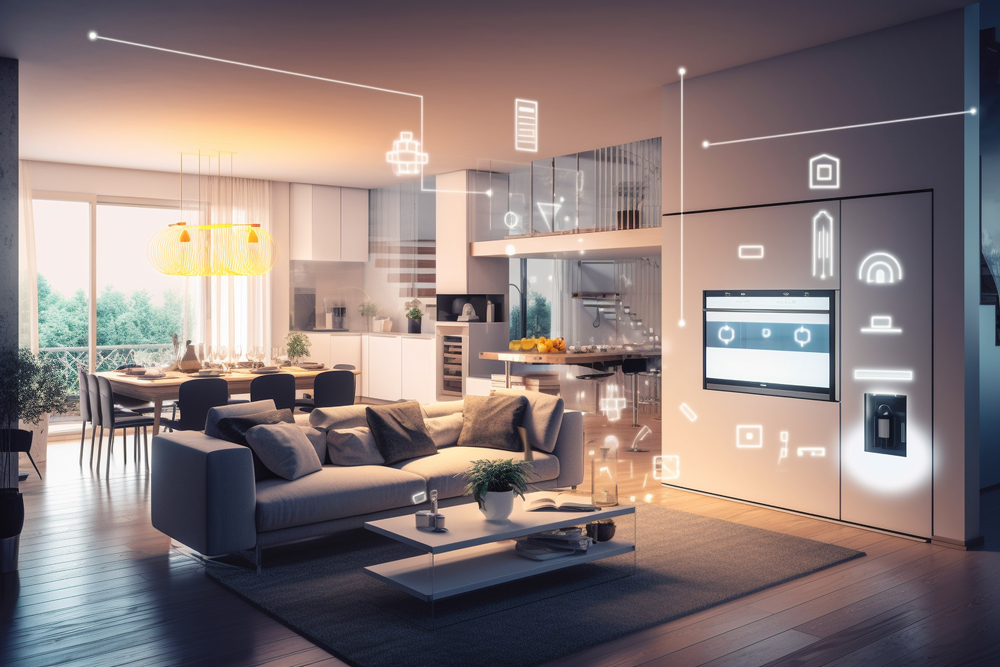
1. Voice Assistants: The Command Center of the Modern Home
Voice assistants have become the nerve center of smart homes. Devices like Amazon Alexa, Google Assistant, and Apple Siri allow homeowners to control lighting, appliances, and security systems using simple voice commands. In 2025, these AI-powered assistants will become even smarter, with enhanced natural language processing and machine learning capabilities.
For example, future voice assistants might recognize different family members by their voice tones, offering personalized responses and actions. Imagine walking into your kitchen and saying, “Good morning,” and the assistant automatically starts your coffee maker, reads the news, and adjusts the thermostat to your preferred morning setting. These systems will also integrate more deeply with other smart devices, creating a truly seamless smart home experience.
Voice assistants will also play a significant role in home security. They could identify unusual noises or unexpected movements, alerting homeowners to potential threats in real-time. As their capabilities expand, voice assistants will become more proactive, anticipating needs and responding to complex commands with greater accuracy.
2. Smart Thermostats: Efficient Climate Control
Energy efficiency is a critical aspect of AI for home automation, and smart thermostats are leading the charge. Devices like the Nest Learning Thermostat and Ecobee have already transformed how we heat and cool our homes by learning our habits and adjusting settings accordingly. However, the thermostats of 2025 will go even further.
Future models will not only learn your daily routines but will also use predictive algorithms to anticipate changes in weather and adjust settings accordingly. They will integrate with other smart home systems, like lighting and security, to optimize energy use. For example, if the thermostat detects that you have left the house, it might lower the temperature to save energy, only to readjust it just before you return.
Moreover, these devices will offer more granular control, allowing users to set specific temperature zones within their homes. This zoned approach will reduce energy waste and improve overall comfort, making it easier to maintain an ideal living environment without overburdening your HVAC system.
3. Intelligent Lighting Systems: Personalized Illumination
Lighting plays a crucial role in creating the right atmosphere in a home, and AI for home automation is making this process smarter and more intuitive. Modern smart lighting systems, like Philips Hue and LIFX, can already adjust brightness and color based on time of day, mood, or activity. However, the next generation of intelligent lighting will take personalization to a whole new level.
In 2025, smart lighting systems will use machine learning to understand your preferences, adjusting automatically based on past behaviors. For instance, your lights might gradually brighten in the morning to mimic a natural sunrise or switch to warmer tones in the evening to promote relaxation. These systems will also integrate with other smart devices, like motion sensors and cameras, to provide even more precise control.
Additionally, AI-driven lighting systems will play a key role in energy conservation. They will detect when rooms are unoccupied and adjust lighting accordingly, significantly reducing energy waste. Some systems might even sync with weather forecasts to optimize indoor lighting based on the amount of natural light available.
4. Smart Security Systems: Proactive Home Protection
Home security has long been a priority for homeowners, and AI for home automation is making it more reliable and efficient. Traditional security systems rely on simple motion sensors and alarms, but modern smart security systems go much further.
In 2025, these systems will use AI to analyze live video feeds, recognize familiar faces, and detect unusual behavior. For example, a smart camera might differentiate between a family member, a neighbor, or an intruder, reducing the risk of false alarms. Some systems might even predict security threats based on patterns of movement around the property, sending alerts before a potential breach occurs.
Additionally, these systems will integrate with other smart devices, like door locks, lights, and alarms, creating a comprehensive security network. If an intruder is detected, the system might lock all doors, turn on exterior lights, and notify both the homeowner and local authorities within seconds.
5. AI-Driven Kitchen Appliances: Smarter Cooking and Food Management
The kitchen is another area where AI for home automation is making a big impact. From smart refrigerators that track food expiration dates to ovens that adjust cooking times based on recipe data, AI is transforming how we prepare and store food.
In 2025, these appliances will become even more sophisticated. For example, your smart fridge might automatically order groceries when it detects that you’re running low on essentials. Ovens could adjust cooking times based on the size and type of dish, while dishwashers might optimize water and energy use based on the load size.
These AI-powered kitchen devices will also improve food safety by monitoring temperatures and alerting you to potential issues, like a malfunctioning refrigerator or a forgotten stove burner. This integration of smart technology will make kitchens safer, more efficient, and easier to manage.
6. Predictive Maintenance for a Hassle-Free Home
Home maintenance can be a hassle, but AI for home automation is changing that. Smart systems can now monitor appliances and alert homeowners when maintenance is needed. For example, a smart HVAC system might notify you when it’s time to replace a filter or schedule a service call.
In 2025, these systems will become even more proactive, using AI to predict potential issues before they become costly problems. This predictive maintenance approach will extend the life of appliances, reduce repair costs, and improve overall home efficiency.
7. Personalized Entertainment Systems
Entertainment is a key part of the modern home, and AI for home automation is making it smarter and more personalized. From smart TVs that recommend shows based on viewing habits to speakers that adjust sound profiles based on room acoustics, these systems are transforming how we consume media.
In 2025, expect even more integration and customization. For example, your smart TV might adjust its picture settings based on ambient lighting, while your sound system learns your preferences for different genres of music.
As we move toward 2025, AI for home automation is poised to become even more integral to our daily lives. From voice-controlled assistants to energy-efficient thermostats and intelligent security systems, these technologies are transforming how we live. With continued advancements in AI, the smart home of the future promises to be more intuitive, personalized, and connected than ever before.


